

Workplace Audiometric Testing: Protect Employee Hearing & Meet WHS Requirements
Workplace audiometric testing is a crucial part of any hearing conservation program. It protects employees from noise-induced hearing loss while helping businesses comply with Australian WHS (Work Health & Safety) regulations. In environments with loud machinery, industrial equipment, or continuous noise exposure, regular testing detects early signs of hearing damage before it becomes permanent.
This guide covers everything employers and employees need to know about audiometric testing in Australian workplaces, including procedures, legal obligations, best practices, and frequently asked questions.
What Is Workplace Audiometric Testing?
Audiometric testing is a non-invasive hearing assessment that measures hearing thresholds across different frequencies. The most common method is pure-tone audiometry, where tones are played through headphones, and the worker indicates when they hear them.
Key Points:
- Detects early signs of noise-induced hearing loss.
- Measures hearing across frequencies from 500 Hz to 8,000 Hz.
- Establishes a baseline audiogram to track changes over time.
- Required under WHS regulations for workers exposed to hazardous noise levels.
Why Audiometric Testing Matters
Benefits for Employers and Employees:
- Early Detection of Hearing Loss: Identifies changes before damage becomes permanent.
- Legal Compliance: Demonstrates adherence to WHS laws and regulations.
- Worker Wellbeing: Prevents communication difficulties, social isolation, and safety risks.
- Risk Management: Supports evaluation of noise control measures and reduces compensation claims.
- Monitoring Effectiveness: Confirms if hearing protection and engineering controls are working.
Legal & Regulatory Requirements in Australia
Noise Exposure Standards:
- Average exposure limit: 85 dB(A) over 8 hours.
- Peak noise limit: 140 dB(C).
- Workers required to wear hearing protection and undergo testing if exposure exceeds these limits.
Testing Timelines:
- Baseline Test: Within 3 months of starting in a noisy role.
- Follow-Up Tests: At least every 2 years, or more frequently if noise exposure increases or a hearing shift is detected.
Standards & Legislation:
- AS/NZS 1269.4:2014 – Occupational Noise Management, Part 4: Auditory Assessment.
- Employers must maintain records, act on results, and provide a safe workplace.
Penalties apply for non-compliance.
Who Needs Audiometric Testing?
Mandatory for:
- Employees exposed to hazardous noise levels above regulated limits.
- Contractors, subcontractors, and labour hire staff in noisy roles.
- Workers in high-risk industries: construction, manufacturing, mining, utilities, transport, entertainment.
How Workplace Audiometric Testing Is Conducted
1. Pre-Test Preparation
- Discuss ear health and recent noise exposure.
- Otoscopic exam for blockages or infection.
- Avoid loud noise for several hours before testing.
2. Baseline Testing
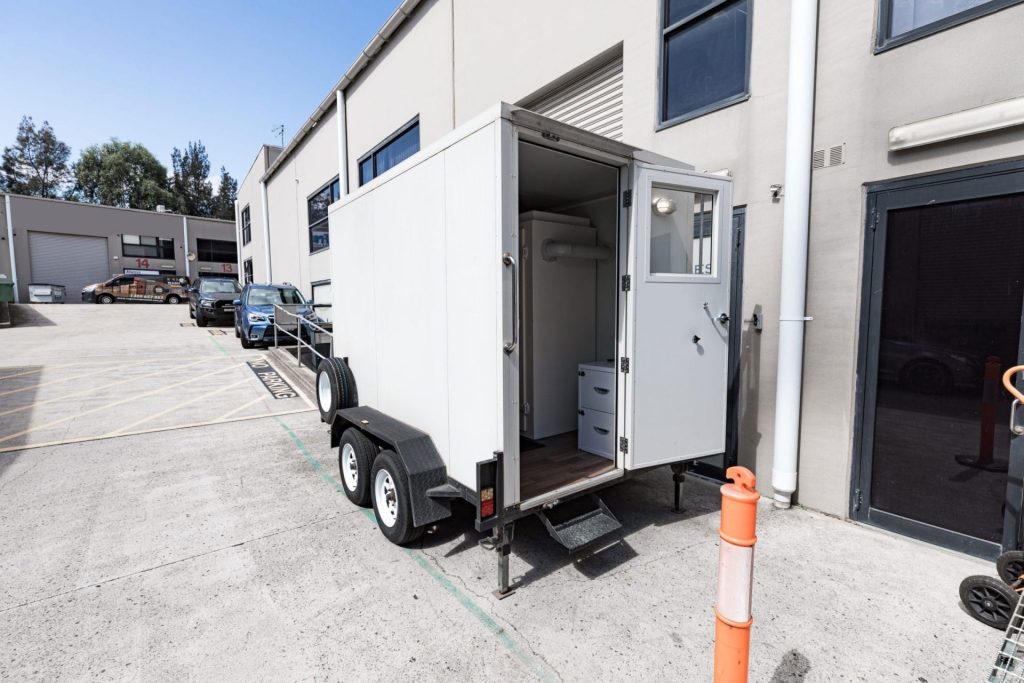
- Conducted in a sound-proof booth or mobile audiometry unit.
- Pure-tone audiometry measures thresholds for each ear.
- Establishes the baseline audiogram.
3. Follow-Up / Monitoring Tests
- Conducted at least every 2 years.
- Compared with baseline to detect Significant Threshold Shifts (STS).
- If detected, corrective actions may include enhanced PPE, engineering controls, or retraining.
4. Result Communication
- Audiologist explains the audiogram and detected changes.
- Employees receive a detailed report with recommendations.
Types of Audiometric Testing
- Pure-Tone Audiometry: Standard threshold test.
- Speech Audiometry: Measures speech understanding; often supplementary.
- Tympanometry: Checks middle ear function; less common in routine testing.
Interpreting Results & Significant Threshold Shifts
- Audiogram: Graph of hearing thresholds vs. frequencies.
- Significant Threshold Shift (STS): Noticeable hearing change from baseline.
- Employer Actions: Investigate noise sources, check PPE, provide retraining, or implement engineering controls.
Common Questions About Workplace Audiometric Testing
No — it’s non-invasive and simply involves listening for tones through headphones.
Baseline before starting in a noisy environment; follow-ups every 2 years or as regulations specify.
Yes. Monitoring is required if exposure exceeds noise limits, even with PPE.
Employees are informed, and recommendations are provided — such as improved PPE, additional controls, or medical follow-up.
Best Practices for Employers
- Implement a comprehensive hearing conservation program: risk assessment, training, PPE, and audiometric testing.
- Use qualified audiologists or trained technicians following AS/NZS 1269.4:2014.
- Maintain detailed records of tests and hearing data.
- Act promptly on results: review noise controls, adjust PPE, retrain staff.
- Communicate clearly with employees to ensure understanding and compliance.
Challenges & Risks
- Temporary Threshold Shifts: Loud noise before testing can skew results.
- Worker Anxiety: Education and reassurance are essential.
- Resource Limitations: Mobile units or qualified testers may be hard to access for small or remote sites.
- Regulatory Updates: Stay informed of changes, e.g., Queensland’s 2025 regulations.
Conclusion
Workplace audiometric testing is essential for protecting employees from permanent hearing loss, maintaining compliance with Australian WHS laws, and promoting a safe, healthy work environment. Combined with risk assessments, effective PPE, and employee education, audiometric testing ensures your workforce is monitored, informed, and safeguarded against noise-induced hearing damage.
Invest in your team’s hearing health today — a small step that delivers lasting benefits.

