

Dust Monitoring
If your workplace activities generate dust, protect your workers by ensuring exposure is maintained below the Workplace Exposure Standards (WES). SESA specialise in exposure air monitoring to assess inhalable dust and respirable dust levels. We also develop custom plans to mitigate dust-related risks. Contact SESA occupational hygiene team for dust monitoring and testing services in Sydney, NSW and ACT.
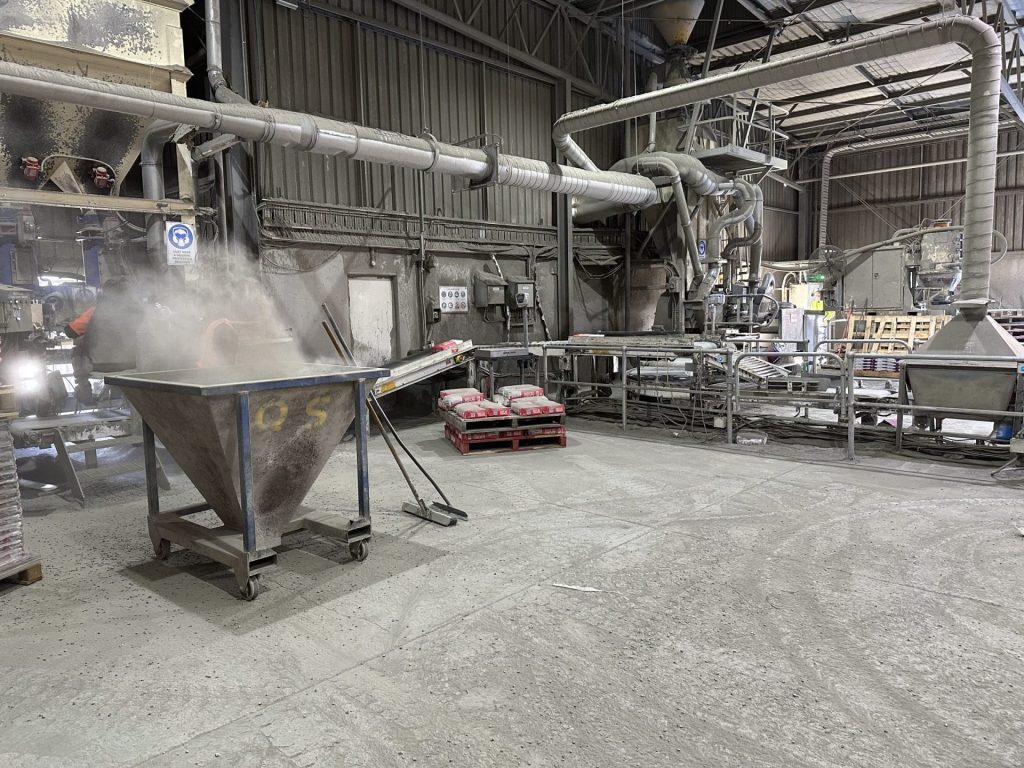
What is Dust Air Monitoring?
Dust air monitoring is the process of measuring and assessing exposure to airborne dust particles in the workplace or environment to determine their concentration, type, hazardous content and potential health risks. It helps identify both inhalable and respirable dust levels, including hazardous particles such as silica, asbestos fibres, or metal dust.
This monitoring is essential for protecting worker health, maintaining regulatory compliance, and ensuring environmental safety. By providing relevant data on dust levels, it enables PCBUs to implement effective control measures, such as containment, extraction ventilation systems, dust suppression techniques, and the use of personal protective equipment (PPE) where required.
Regular dust air sampling and laboratory testing supports safer workplaces, reduces the risk of occupational illnesses, and helps organisations meet legal and industry standards for exposure to airborne contaminants.
Airborne Dust in the Workplace
Airborne dust in the workplace refers to fine particles suspended in the air that workers may inhale during tasks such as cutting, grinding, drilling, or handling materials. These particles can range from coarse, visible dust to very fine respirable dust that penetrates deep into the lungs.
Exposure to airborne dust can be a serious health and safety concern. Prolonged or high-level exposure can lead to respiratory problems such as asthma, bronchitis, silicosis, and even long-term diseases like lung cancer. Workers with existing respiratory conditions are more at risk.
Effective dust monitoring and control measures are essential to protect workers, maintain regulatory compliance, and create a safer workplace environment.
Examples of the types of dust found in the work environment include:
- Respirable crystalline silica (RCS) dust – released when abrading stone, concrete, or brick.
- Wood dust – from sawing, sanding, or carpentry tasks.
- Asbestos fibres – from older building materials and insulation.
- Metal dust – from welding, grinding, or machining.
- Other chemicals dust – many bulk chemicals, alkaline dust and pesticides.
- Organic and vegetable dust – such as flour, wood, cotton and tea dusts, pollen.
- Bioaerosols – such as viable and non-viable particles of mould, yeast and bacteria.
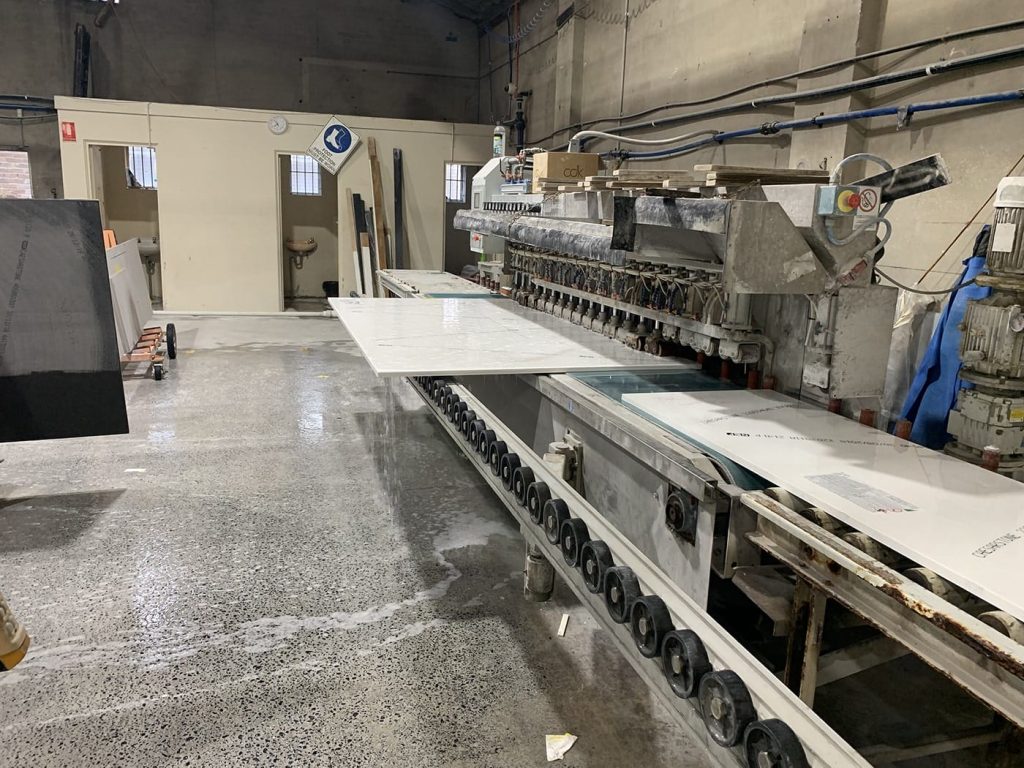
Inhalable vs. Respirable Dust: Key Differences
Inhalable dust refers to all dust particles small enough to enter the nose or mouth during breathing. These particles are generally larger and tend to settle in the upper respiratory tract, including the nose, throat, and airways. Inhalable dust is commonly produced in workplaces such as construction sites, woodworking areas, and various industrial settings. Certain contents of inhalable dust such as metals (eg. lead) can enter the blood stream from inhalation.
Respirable dust consists of much finer particles that can penetrate deep into the lungs, reaching the alveoli. This type of dust poses a risk of serious health issues affecting the lungs, including silicosis, lung cancer, and other chronic respiratory conditions. Respirable dust is often generated by processes such as grinding, cutting, or sanding.
The key difference between the two is that inhalable dust primarily affects the upper respiratory system with hazardous dust content (if present) entering the blood stream that could accumulate and affects target organs, while respirable dust can reach the deepest parts of the lungs and affecting the respiratory system. Both types require careful monitoring and control measures in accordance with the hierarchy of controls.
SESA provides dust testing across Sydney and NSW for both types:
Inhalable Dust (<100µm) |
Respirable Dust (<10µm) |
|---|---|
Size: ~1/13 thickness of 5¢ coin
|
Size: ~1/130 thickness of 5¢ coin
|
Risks: Reduced visibility, rhinitis, bronchitis
|
Risks: Emphysema, COPD, lung scarring
|
Body Defense: Nasal hair, coughing
|
Body Defense: White blood cells (often overwhelmed)
|
Would You Like to Know More
About Our Services
Call us today on 02 9822 8406, email us , or use our online enquiry form for further information about our services, to arrange an obligation-free
phone consultation or to discuss your requirements with us.
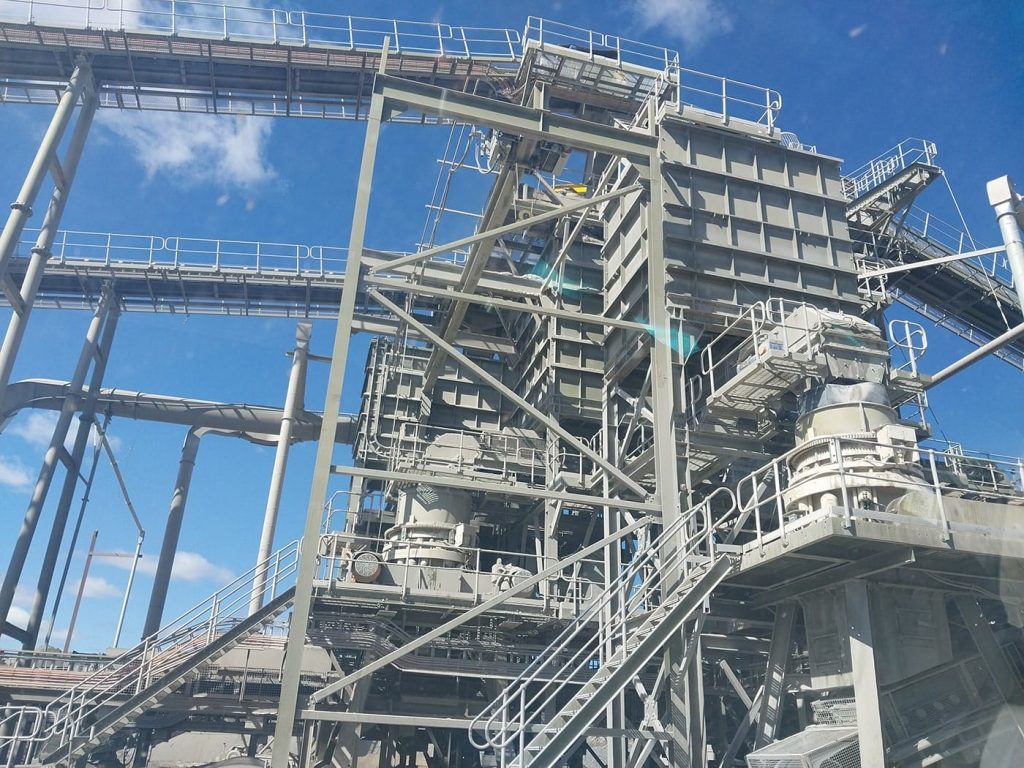
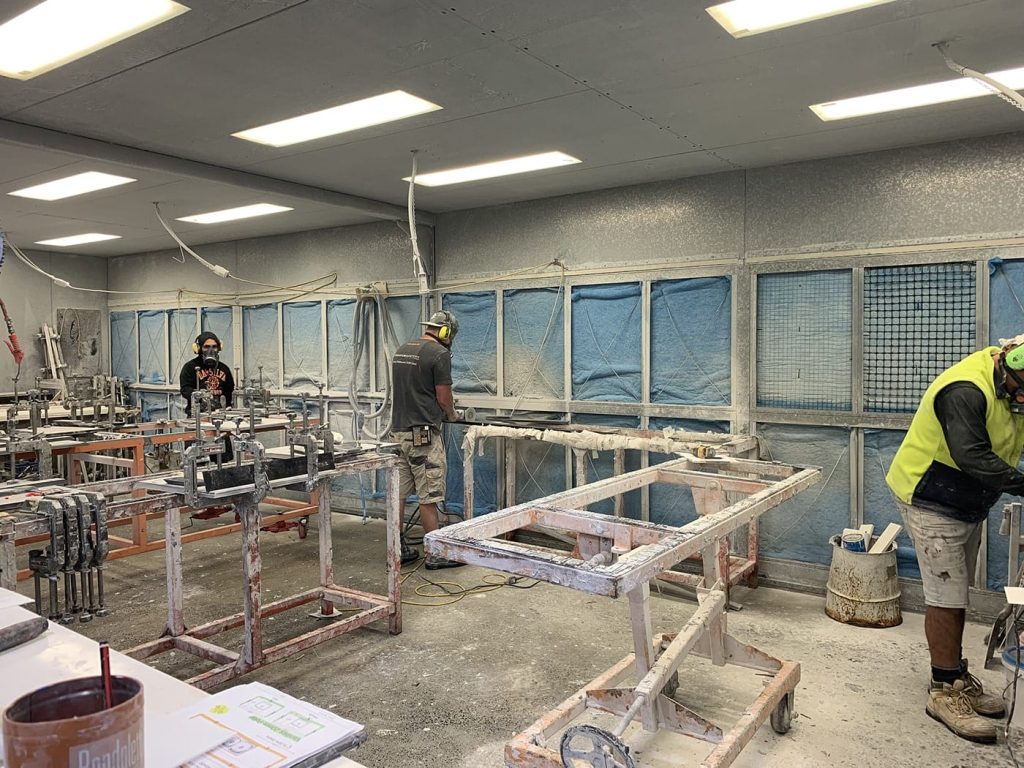
Dust Air Sampling & Testing Methods
Purpose:
- Measures exposure to airborne contaminants in the workplace and provides data to evaluate or select required control measures.
- Ensures compliance with health and safety regulations.
- Protects workers from harmful dust and fumes.
Workplace Air Monitoring:
- Air monitoring with a size-selective sampler and gravimetric analysis.
- Measures concentration of dust in the worker’s breathing zone.
- Chemical analysis used to identify specific dust content (e.g. silica, metals).
Environmental Air Monitoring:
- Uses direct-reading instruments with data logging options not requiring laboratory analysis.
- Can include dust deposition methods.
- Dust deposition methods are analysed in laboratories for accuracy.
Common Air Contaminants and Standards
Inhalable Dust & Respirable Dust:
- AS 3640-2009 – Workplace atmospheres – Method for sampling and gravimetric determination of inhalable dust
- AS 2985-2009 – Workplace atmospheres – Method for sampling and gravimetric determination of respirable dust
Welding Fumes, Metals and Gases (CO₂, CO, Ozone, Nitrogen Oxides):
- AS 3853.1-2006 – Sampling of airborne particles and gases in the operator’s breathing zone.
Asbestos Air Monitoring:
- Guidance Note on the Membrane Filter Method for Estimating Airborne Asbestos Fibres, 2nd Edition [NOHSC: 3003 (2005)].
Lead Air Testing (Lead Dust and Fumes):
- AS 4361.2-2017 – Guide to hazardous paint management, Part 2: Lead paint in residential, public and commercial buildings.
Why Choose SESA Certified Occupational Hygienists' Dust Monitoring & Sample Testing Services?
At SESA, dust monitoring and sample testing is carried out and/or overseen by certified occupational hygienists with specialist expertise in workplace air quality and exposure assessment. We provide comprehensive sample testing for inhalable and respirable dust, respirable crystalline silica, welding fumes, asbestos fibres, lead dust, and a wide range of other airborne contaminants.
SESA is licensed by the NSW Resources Regulator for sampling airborne dust (Inhalable dust and respirable dust and crystalline silica) under The Work Health and Safety (Mines and Petroleum Sites) Regulation 2022 (MLA 0017326).
Our testing is backed by the NSW Resources Regulator License, NATA accredited laboratory analysis using Australian Standards and internationally recognised methods such as ISO, NIOSH, and NOHSC. By working with us, you can be confident you will receive professional and reliable service and your workplace meets regulatory compliance with Work Health and Safety (WHS) legislative requirements.
Every service is tailored to the unique needs of the industry and site, with clear recommendations for dust control and risk reduction. Our reports are comprehensive, straightforward, easy to understand, and provide practical steps to protect worker health. With SESA, you gain reliable compliance support and help in preventing occupational illnesses such as asthma, silicosis, and lung cancer.
Dust Air Monitoring FAQs
Workplaces that generate airborne particles from cutting, sanding, grinding, or handling materials should consider regular dust testing. This helps ensure worker exposure is within legal limits and protects health from hazards like silica, asbestos, wood, metal, or chemical dust.
If dust concentrations are above WES, immediate action is required. Measures can include improving ventilation, introducing containment or suppression systems, rotating tasks, or upgrading PPE. A certified occupational hygienist can recommend tailored solutions to reduce exposure risks.
Yes, air quality assessments are typically performed during regular operations. This ensures results reflect real exposure conditions and identifies high-risk tasks or processes that may require additional control measures.
Personal assessment measures airborne particles in a worker’s breathing zone, while environmental assessment evaluates overall air quality across a site or area. Both methods are often combined for a complete picture of workplace exposure.
On-site instruments can provide immediate results, while samples requiring laboratory analysis, such as for silica or asbestos, usually take a few days. The exact timeframe depends on the type of testing performed.
- Occupational Hygiene Services
- Indoor Air Quality Testing
- Dust Air Monitoring
- Silica Dust Air Monitoring
- Workplace Noise Surveys & Assessment
- Workplace Audiometric Testing
- Mould Inspection, Testing & Assessment
- Mould Testing | NATA Accredited Laboratory
- Mould Post Remediation Verification Testing
- Mould, Yeast & Bacteria Air Testing
- Cleanroom Air Testing
- Meth Residues Testing
- Mould Hygienist
- Asbestos Hygienist
- Occupational Hygienist Expert Reports


- Contact Us
Get A Quote
- Contact Us

