

Does My House Need Asbestos Testing Before Renovation?
Renovating an older home can uncover hidden building materials that may contain asbestos. Many Australian homes built before the early 1990s still contain asbestos-containing materials in areas such as walls, ceilings, flooring, bathrooms, roofs, garages, and sheds.
While these materials may not always pose an immediate risk when left undisturbed, renovation work can damage them and release asbestos fibres into the air.
Why Asbestos Can Be a Concern During Renovations
Common renovation activities such as drilling, sanding, cutting, removing walls, replacing flooring, or demolishing structures can disturb older materials. If asbestos is present, these activities may release microscopic fibres that can become airborne.
Understanding whether asbestos may be present before work begins can help avoid unexpected delays, safety risks, and costly remediation during a renovation project.
Which Renovation Projects May Disturb Asbestos?
Older homes may contain asbestos in materials affected by:
- Bathroom and kitchen renovations
- Wall or ceiling removal
- Flooring replacement
- Electrical and plumbing upgrades
- Roof repairs or replacement
- Garage, shed, or fence alterations
- Demolition work
Even relatively small projects can disturb hidden asbestos-containing materials.
Where Asbestos May Be Found in Older Homes
Some common locations include:
- Internal and external wall sheeting
- Ceilings and eaves
- Vinyl flooring and adhesives
- Bathroom wall linings
- Roof sheets and soffits
- Garages, sheds, and fences
For a more detailed overview, read our guide on where asbestos is commonly found in Australian homes. Because many older products look similar to modern materials, visual inspection alone is often not enough to determine whether asbestos is present.
How Can You Tell If Your Home Contains Asbestos?
The age of a property can provide clues, but it cannot confirm whether asbestos is present. Homes built before the early 1990s are more likely to contain asbestos-containing materials, particularly if original building products remain in place.
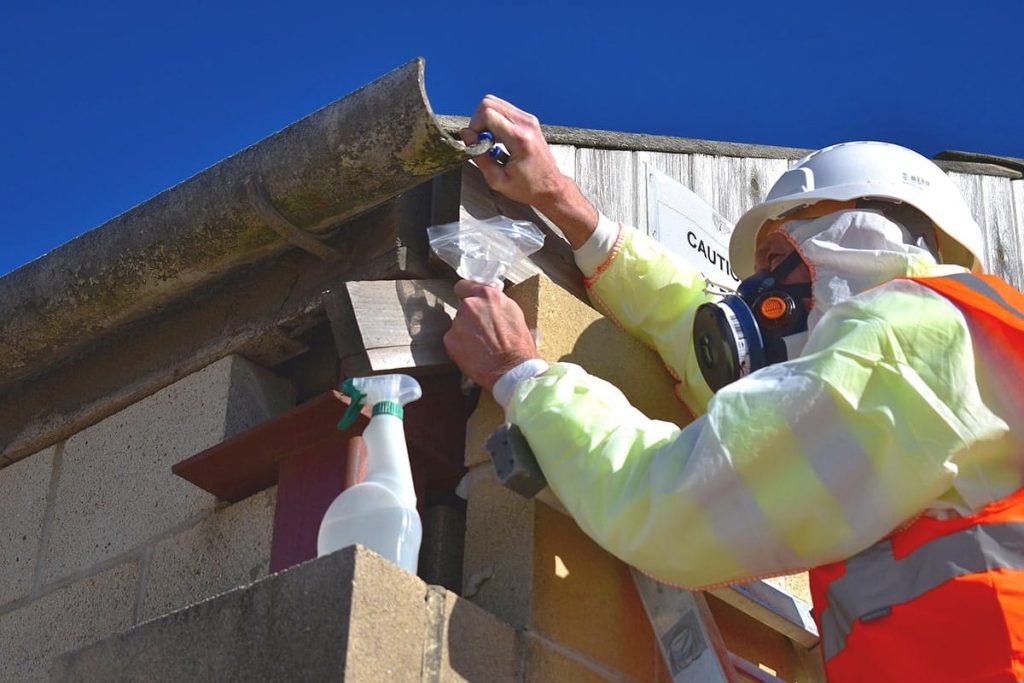
If you’re planning renovations, our Asbestos Testing service explains how suspected materials can be safely sampled and analysed before work starts.
What If You Discover Suspected Asbestos During Renovations?
If you uncover a material that may contain asbestos:
- Stop work immediately
- Avoid cutting, drilling, or disturbing the material
- Restrict access to the area where possible
- Seek professional advice before continuing
Continuing renovation work without identifying the material may increase the risk of fibre release.
Conclusion
If you are planning renovations in an older Australian home, it is important to consider whether asbestos-containing materials may be present. Taking the time to identify potential asbestos risks before work begins can help protect occupants, tradespeople, and contractors while keeping your renovation project on track.
Frequently Asked Questions
No. While many homes built before the early 1990s may contain asbestos-containing materials, not every older property does. The only way to confirm whether a material contains asbestos is through professional assessment and laboratory analysis.
Yes. Many older homes containing asbestos can still be renovated safely, provided asbestos-containing materials are identified and managed appropriately before renovation work begins.
Yes, but asbestos-containing materials need to be properly identified and managed. Some materials may be left undisturbed, while others may require professional removal.
Stop work immediately, avoid disturbing the material further, and arrange for professional assessment before continuing the renovation.

About the Author
This article was reviewed and contributed to by Ibrahim Ech, Certified Occupational Hygienist (COH®), occupational hygiene consultant, and Director of SESA and SESALAB.
With more than 20 years of experience in occupational hygiene, environmental health, asbestos assessment, and indoor air quality, Ibrahim has assessed over 1,000 residential, commercial, government, and industrial properties across Australia.
His expertise includes asbestos inspections and assessments, asbestos-containing materials identification, hazardous materials investigations, occupational exposure assessments, indoor air quality testing, mould contamination assessment, post-remediation verification (PRV), and environmental laboratory analysis.
Ibrahim is a Full Member of the Australian Institute of Occupational Hygienists (AIOH) and has held Certified Occupational Hygienist (COH®) status since 2012. He is also associated with Australia’s first NATA-accredited laboratory for airborne and surface fungal analysis using direct microscopy.

