

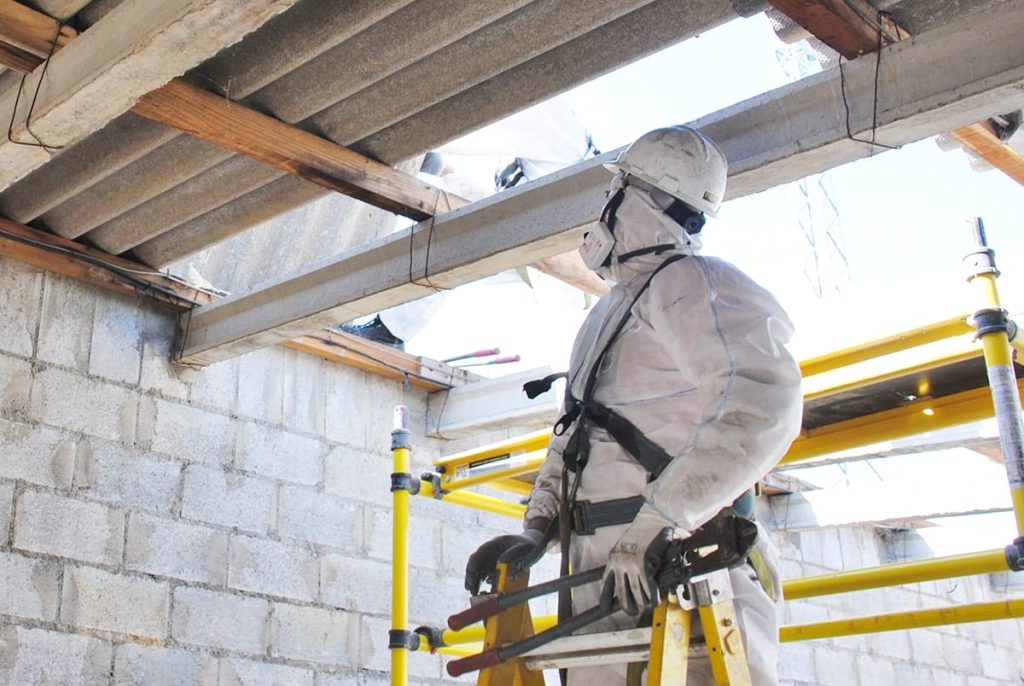
Where Is Asbestos Found in Australian Homes
Asbestos was widely used throughout Australia for much of the twentieth century because it was strong, durable, heat-resistant, and provided excellent insulation. Before its health risks were fully understood, asbestos was incorporated into thousands of building products used in residential, commercial, and industrial properties.
Many Australian homes built before the early 1990s may still contain asbestos-containing materials (ACMs). While these materials are generally considered low risk when they remain intact and undisturbed, they can become hazardous if damaged, deteriorated, or disturbed during renovations, repairs, or maintenance.
Knowing where asbestos may be found can help homeowners, renovators, and tradespeople identify potential risks before work begins.
Common Places Asbestos Is Found in Australian Homes
Asbestos was used in a wide range of building products, meaning it may be present in many different areas of an older property. The location and type of asbestos-containing material often depends on when the home was built and the construction methods used at the time.
Common locations include:
Walls and Ceiling Sheeting
Fibre cement sheets containing asbestos were commonly used for internal and external walls, ceilings, garages, laundries, bathrooms, and sheds.
Common examples include:
- Fibro wall panels
- Internal wall linings
- Ceiling sheets
- Garage linings
- Laundry and bathroom walls
These materials are often difficult to identify by appearance alone because modern fibre cement products can look very similar.
Roofs, Eaves and External Areas
Asbestos was commonly used in roofing products because of its durability and resistance to weather conditions.
It may be found in:
- Corrugated roof sheets
- Roof shingles
- Roof gutters and downpipes
- Eaves and soffits
- External cladding
Weathering, storm damage, or maintenance work can increase the risk of fibre release from deteriorating asbestos roofing materials.
Bathrooms, Kitchens and Wet Areas
Older wet areas often contain asbestos products because they provided moisture resistance and durability.
Potential locations include:
- Wall sheeting behind tiles
- Backing boards
- Vinyl flooring backing
- Splashbacks
- Pipe insulation
Renovations involving drilling, removing tiles, or replacing flooring can disturb hidden asbestos-containing materials.
Flooring Materials
Asbestos was commonly added to flooring products to improve strength and durability.
It may be present in:
- Vinyl floor tiles
- Sheet vinyl backing
- Floor adhesives
- Underlays
Older flooring materials should be assessed before removal, particularly if they are damaged or being replaced.
Pipes, Electrical Areas and Services
Asbestos was widely used in industrial and residential service materials due to its heat resistance and insulating properties.
Possible locations include:
- Pipe insulation
- Hot water system components
- Electrical switchboards
- Meter boards
- Electrical backing panels
- Heater surrounds
These materials may pose a risk if they are cut, drilled, removed, or damaged.
Asbestos in Garages, Sheds and Outdoor Structures
Garages, sheds, fences, and outdoor structures built before asbestos was banned may contain asbestos materials.
Common examples include:
- Garage wall panels
- Shed cladding
- Fencing
- Garden structures
- External storage areas
Because these areas are often exposed to weather and physical damage, deteriorating materials should be assessed.
Can You Identify Asbestos by Looking at It?
In most cases, asbestos cannot be confirmed through visual inspection alone. Many asbestos-containing materials look similar to modern asbestos-free products, making identification difficult without professional assessment.
The age of a property can provide an indication of whether asbestos may be present, but it does not confirm whether a specific material contains asbestos. If asbestos is suspected, professional asbestos inspections and asbestos testing can determine whether materials contain asbestos and help assess any potential risks.
What Homes Are Most Likely to Contain Asbestos?
Homes built before the early 1990s have a higher likelihood of containing asbestos-containing materials because asbestos was commonly used in Australian construction during this period.
Properties that may require particular attention include:
- Older fibro homes
- Homes undergoing renovation
- Properties with original bathrooms or kitchens
- Older garages and sheds
- Buildings with original roofing or wall materials
However, asbestos may also be present in renovated properties where older materials have not been completely removed.
Should You Test for Asbestos Before Renovating?
Yes. If you are renovating an older property, asbestos testing before work begins can help identify potential hazards before materials are disturbed.
Activities such as:
- Removing walls
- Replacing bathrooms
- Installing new flooring
- Drilling into walls
- Demolition work
Can release asbestos fibres if asbestos-containing materials are present. A professional licensed asbestos assessor can inspect suspected materials and arrange appropriate testing where required.
What Should You Do If You Find Suspected Asbestos?
If you suspect asbestos is present in your home:
- Avoid disturbing the material
- Do not drill, cut, sand, or break it
- Avoid removing materials without assessment
- Arrange professional asbestos testing if required
Proper identification and management can help reduce the risk of accidental asbestos exposure.
Conclusion
Asbestos can be found in many areas of older Australian homes, including walls, ceilings, roofs, bathrooms, flooring, garages, and external structures. Because asbestos-containing materials can often look similar to modern building products, visual identification alone is not reliable.
If you are planning renovations or are unsure whether your property contains asbestos, professional asbestos inspections and testing can help identify potential risks and determine the safest way to manage them.
Frequently Asked Questions
Asbestos was commonly used in walls, ceilings, roofs, eaves, bathrooms, kitchens, garages, sheds, fencing, and flooring materials in many Australian homes built before the early 1990s. The exact locations depend on the age and construction style of the property.
Asbestos was widely used in Australian homes from the 1940s through to the late 1980s. While asbestos use was completely banned in Australia in 2003, many properties built before this time may still contain asbestos-containing materials.
It is usually not possible to confirm asbestos through visual inspection alone. If your property was built before the early 1990s, professional asbestos testing can determine whether suspect materials contain asbestos.
Yes. Many fibro houses built in Australia before the 1990s used asbestos-containing fibre cement products for walls, ceilings, roofs, and external structures. These materials should be assessed before renovation or removal work.
If your property was built before the early 1990s, asbestos testing before renovations is strongly recommended. Renovation activities such as drilling, cutting, demolition, and removing old materials can disturb asbestos and release fibres.
A licensed asbestos assessor can inspect suspected materials, arrange asbestos testing where required, and provide advice on how asbestos should be managed safely.

About the Author
This article was reviewed and contributed to by Ibrahim Ech, Certified Occupational Hygienist (COH®), occupational hygiene consultant, and Director of SESA and SESALAB.
With more than 20 years of experience in occupational hygiene, environmental health, asbestos assessment, and indoor air quality, Ibrahim has assessed over 1,000 residential, commercial, government, and industrial properties across Australia.
His expertise includes asbestos inspections and assessments, asbestos-containing materials identification, hazardous materials investigations, occupational exposure assessments, indoor air quality testing, mould contamination assessment, post-remediation verification (PRV), and environmental laboratory analysis.
Ibrahim is a Full Member of the Australian Institute of Occupational Hygienists (AIOH) and has held Certified Occupational Hygienist (COH®) status since 2012. He is also associated with Australia’s first NATA-accredited laboratory for airborne and surface fungal analysis using direct microscopy.

