

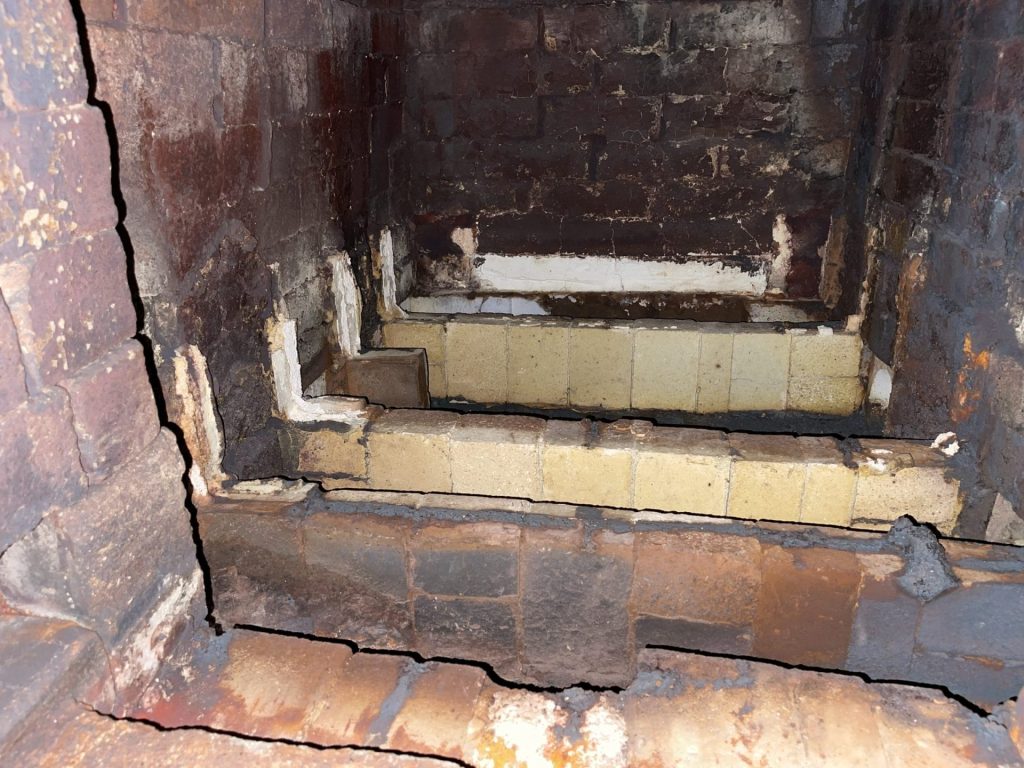
What is Asbestos?
Asbestos is a naturally occurring mineral that was widely used in homes, commercial buildings, and industrial facilities for much of the twentieth century. Valued for its strength, durability, heat resistance, and insulating properties, asbestos became a common component in thousands of construction products before its health risks were fully understood.
Today, asbestos remains present in many buildings constructed before the early 1990s. While asbestos-containing materials are generally considered low risk when they are in good condition and left undisturbed, they can become hazardous if damaged, deteriorated, or disturbed during renovations, demolition, or maintenance.
Asbestos becomes dangerous when microscopic fibres are released into the air. These fibres can be inhaled and may remain in the lungs for many years, increasing the risk of serious asbestos-related diseases following significant or repeated exposure.
Understanding what asbestos is, where it is commonly found, and when it presents a health risk is essential for protecting occupants, tradespeople, and anyone working in older buildings.
Understanding Asbestos
Asbestos is the name given to a group of naturally occurring silicate minerals made up of extremely fine, durable fibres. These fibres are resistant to heat, fire, electricity, chemicals, and wear, making asbestos an ideal construction material for many decades.
In Australia, asbestos was extensively used between the 1940s and the late 1980s in residential, commercial, and industrial buildings. It was commonly incorporated into cement products, insulation, roofing, wall sheeting, flooring, pipes, and many other building materials.
Although asbestos was completely banned in Australia in 2003, millions of homes and buildings constructed before this time may still contain asbestos-containing materials (ACMs).
Types of Asbestos
Six naturally occurring minerals are classified as asbestos, however three types account for the vast majority of asbestos found in Australian buildings.
Chrysotile (White Asbestos)
Chrysotile is the most common form of asbestos used throughout Australia. It was widely incorporated into cement sheeting, roofing materials, vinyl flooring, insulation products, and gaskets due to its flexibility and durability.
Amosite (Brown Asbestos)
Amosite was commonly used in insulation boards, ceiling tiles, cement sheets, thermal insulation, and pipe lagging. It is generally considered more hazardous than chrysotile due to its fibre characteristics.
Crocidolite (Blue Asbestos)
Crocidolite is regarded as the most hazardous form of asbestos because of its extremely fine fibres, which can be more easily inhaled. It was historically used in insulation, spray coatings, cement products, and pipe insulation before its use was discontinued.
Where is Asbestos Commonly Found?
Asbestos can be found in many older homes and commercial buildings throughout Australia. Its presence often depends on the age of the property and the building materials used during construction.
Common locations include:
- Fibre cement wall and ceiling sheeting
- Roofing sheets and roof shingles
- Eaves and soffits
- Fences
- Vinyl floor tiles and backing
- Pipe lagging and insulation
- Electrical switchboards
- Textured ceilings
- Flues and fireplaces
- Cement pipes
- Backing boards behind
- wet areas
- Garages, sheds, and outbuildings
Because asbestos-containing materials often resemble modern building products, they cannot usually be identified through visual inspection alone.
Why Was Asbestos Used?
For many decades, asbestos was considered an innovative building material because it offered a unique combination of strength, durability, and fire resistance.
Its popularity was largely due to its ability to:
- Resist heat and fire
- Provide thermal and acoustic insulation
- Improve the strength of cement products
- Resist chemicals and corrosion
- Reduce manufacturing costs
- Increase the durability of building materials
These qualities made asbestos one of the most widely used construction materials throughout much of the twentieth century.
When Does Asbestos Become Dangerous?
Asbestos-containing materials do not always present an immediate health risk. In many cases, bonded asbestos products that remain in good condition and are left undisturbed present a relatively low risk of fibre release.
The greatest risk occurs when asbestos materials become damaged, deteriorate with age, or are disturbed during activities such as:
- Renovations
- Demolition
- Cutting or drilling
- Sanding or grinding
- Pressure cleaning
- Storm or fire damage
- General deterioration over time
These activities can release microscopic asbestos fibres into the air, where they may remain suspended and be inhaled by building occupants or workers.
Health Risks of Asbestos Exposure
Exposure to airborne asbestos fibres has been linked to several serious respiratory diseases. The likelihood of developing asbestos-related illness depends on factors such as the level of exposure, frequency of exposure, and the length of time fibres are inhaled.
Diseases associated with asbestos exposure include:
- Asbestosis
- Lung cancer
- Mesothelioma
- Pleural thickening and pleural plaques
One of the unique characteristics of asbestos-related diseases is their long latency period. Symptoms often do not appear until decades after exposure, making early prevention particularly important.
While occupational exposure historically represented the greatest risk, exposure can also occur during home renovations, maintenance work, or accidental disturbance of asbestos-containing materials.
How Can You Identify Asbestos?
Identifying asbestos is often difficult because many asbestos-containing products closely resemble modern building materials. The age of a building may provide an indication of whether asbestos is likely to be present, but it cannot confirm its existence.
Visual inspection alone is not sufficient to determine whether a material contains asbestos. Laboratory analysis of a properly collected sample remains the most reliable method of identification.
Professional asbestos inspections and testing carried out by a licensed asbestos assessor provide accurate identification while minimising unnecessary disturbance of potentially hazardous materials.
What Should You Do if You Suspect Asbestos?
If you suspect a material contains asbestos, it is important not to disturb it unnecessarily. Avoid drilling, sanding, cutting, breaking, or removing the material until it has been properly assessed. Disturbing asbestos-containing materials without appropriate controls may release fibres into the surrounding environment.
Instead, arrange for professional asbestos testing to determine whether asbestos is present and assess its condition. Where removal is required, it should be carried out in accordance with Australian regulations by appropriately licensed asbestos removal professionals.
Why Professional Asbestos Testing May Be Required
Professional asbestos assessment helps determine whether asbestos is present, where it is located, and whether it poses a risk to occupants or workers.
Testing and assessment may include:
- Visual building inspections
- Bulk material sampling
- Laboratory analysis
- Preparation or review of an asbestos register
- Risk assessments
- Clearance inspections following removal
Testing is particularly important before renovations, demolition, property purchases, insurance assessments, or when the presence of asbestos is uncertain. Following asbestos removal, a professional clearance inspection may be completed and an asbestos clearance certificate issued to confirm that the area is safe for reoccupation.
Preventing Asbestos Exposure
Preventing asbestos exposure begins with identifying asbestos-containing materials before they are disturbed. Effective risk management includes maintaining asbestos materials in good condition, avoiding unnecessary disturbance, conducting inspections before renovation work, and implementing an asbestos management plan where required.
During asbestos removal or remediation work, asbestos air monitoring may be required to measure airborne fibre levels and confirm that the environment remains safe for occupants and workers.
Where asbestos removal is necessary, using qualified professionals helps ensure the material is safely removed, transported, and disposed of in accordance with regulatory requirements.
Conclusion
Asbestos was once one of Australia’s most widely used building materials because of its durability, insulation properties, and fire resistance. Although its use has been banned for many years, asbestos-containing materials remain present in countless older homes, commercial buildings, and industrial facilities.
Understanding what asbestos is, where it is commonly found, and when it becomes hazardous is essential for protecting both building occupants and workers. Because asbestos cannot usually be identified by appearance alone, professional assessment and testing remain the most reliable way to determine whether asbestos is present and how it should be safely managed.
Frequently Asked Questions
Not necessarily. Asbestos-containing materials that are in good condition and remain undisturbed generally present a much lower risk than damaged or disturbed materials that can release airborne fibres.
The manufacture, import, sale, and use of all forms of asbestos were completely banned in Australia on 31 December 2003. However, many buildings constructed before this date may still contain asbestos-containing materials.
It is usually not possible to confirm asbestos through visual inspection alone. If your property was built before the early 1990s, professional asbestos testing can determine whether suspect materials contain asbestos.
DIY asbestos removal is not recommended unless permitted under your state’s regulations and the work can be completed safely. In many situations, licensed asbestos removal professionals should carry out the work to minimise exposure risks.
Yes. If you are renovating or demolishing an older property, asbestos testing is strongly recommended before any work begins. Identifying asbestos beforehand helps prevent accidental fibre release and ensures work complies with Australian safety requirements.

About the Author
This article was reviewed and contributed to by Ibrahim Ech, Certified Occupational Hygienist (COH®), occupational hygiene consultant, and Director of SESA and SESALAB.
With more than 20 years of experience in occupational hygiene, environmental health, asbestos assessment, and indoor air quality, Ibrahim has assessed over 1,000 residential, commercial, government, and industrial properties across Australia.
His expertise includes asbestos inspections and assessments, hazardous materials investigations, occupational exposure assessments, indoor air quality testing, mould contamination assessment, post-remediation verification (PRV), and environmental laboratory analysis.
Ibrahim is a Full Member of the Australian Institute of Occupational Hygienists (AIOH) and has held Certified Occupational Hygienist (COH®) status since 2012. He is also associated with Australia’s first NATA-accredited laboratory for airborne and surface fungal analysis using direct microscopy.

