

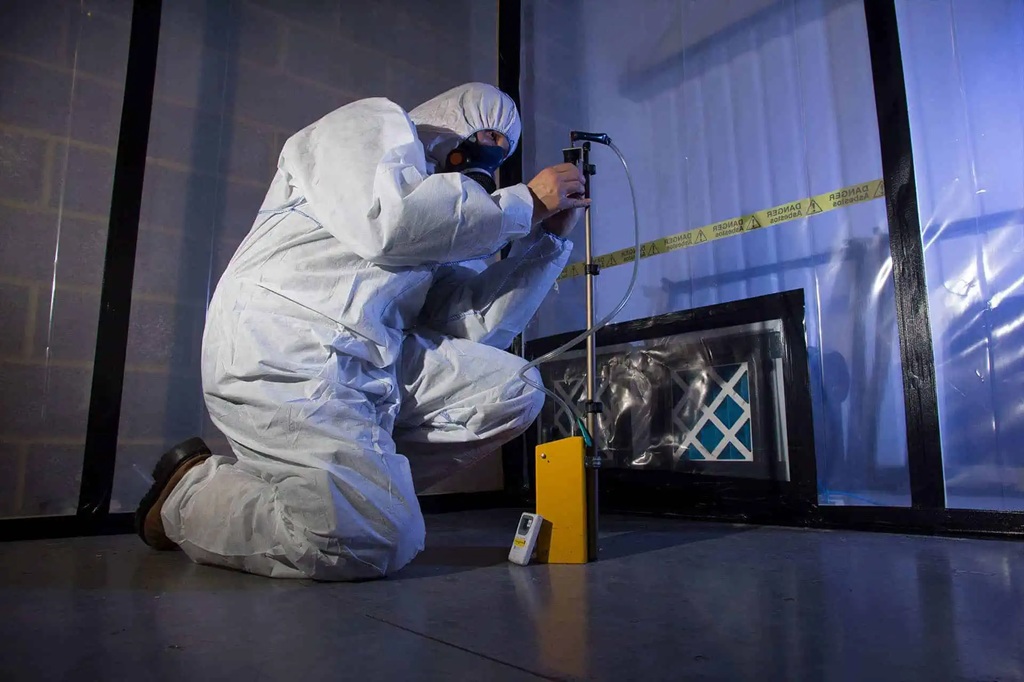
Transitioning to Workplace Exposure Limits (WELs): What PCBUs Must Do Before 2026
From 1 December 2026, the existing Workplace Exposure Standards (WES List) will be formally replaced by (or renamed) Workplace Exposure Limits (WELs). Agreed upon by WHS Ministers and Safe Work Australia, this change aligns Australia with international terminology and reinforces a critical legal threshold: a WEL is a legally enforceable limit that must not be exceeded.
WEL and WHS Legal Compliance
There are no changes to PCBUs obligations under the model work health and safety (WHS) regulations as a result to this change. PCBUs must continue to ensure that no person at the workplace is exposed to a substance or mixture above its workplace exposure standard until 30 November 2026.
From 1 December 2026, PCBUs must ensure that no person at the workplace is exposed to a substance or mixture above its workplace exposure limit (WEL).
However, the WEL list contains updated values or assign new WEL to certain substances such as Flour dust, Diesel Particulate Matter (DPM) that must be complied with in the workplace.
|
Stage / Milestone
|
Target Date
|
Mandatory PCBU Action
|
|---|---|---|
|
Transition Period
|
Current Stage
|
Maintain WES compliance while conducting workplace air monitoring, auditing chemical inventories, and assessing engineering controls.
|
|
Transition Concludes
|
30 November 2026
|
Final date to complete facility upgrades, validate ventilation systems, and update WHS compliance documentation.
|
|
WEL Enforceable
|
1 December 2026
|
Full legal adoption and enforcement of Workplace Exposure Limits across all Commonwealth, state, and territory WHS jurisdictions.
|
High-Impact Industry Changes
While many chemical thresholds remain unchanged, the review introduces over 30 new substances, tightens limits for common industrial contaminants, and updates notation classifications for sensitisers and carcinogens.
|
Industry Sector
|
Airborne Contaminant
|
New WEL Limit (8-hr TWA)
|
Key Operational Impact
|
|---|---|---|---|
|
Food & Beverage Manufacturing
|
Flour Dust
|
0.5 mg/m³ (Inhalable)
|
Dedicated limit replacing general dust categories; up to a 20-fold reduction targeting occupational asthma.
|
|
Bulk Handling & Agriculture
|
Grain Dust
|
1.5 mg/m³ (Inhalable)
|
Formal benchmark replacing general nuisance dust criteria across silos, feedmills, and transfer lines.
|
|
Transport, Logistics & Depots
|
Diesel Particulate Matter (DPM)
|
0.01 mg/m³ (Respirable Elemental Carbon)
|
Mandatory measurement of diesel particulate matter across indoor workshops, enclosed bays, and warehouses.
|
|
Road & Pavement Works
|
Bitumen / Asphalt Fumes
|
0.5 mg/m³ (Inhalable)
|
Tenfold reduction from the former 5 mg/m³ standard, requiring enhanced local exhaust and cabin filtration.
|
|
Timber & Joinery
|
Wood Dust
|
2 mg/m³ (Inhalable)
|
Single unified limit for softwoods and hardwoods; mandates routine surveillance and extraction validation.
|
Note: Safe Work Australia is also conducting additional impact analyses on key high-risk substances—including respirable crystalline silica, formaldehyde, benzene, and chlorine—alongside regulatory reviews for 33 Non-Threshold Genotoxic Carcinogens (NTGCs). “View the WEL List”
The 5-Step Action Plan for PCBUs
Engineering changes, air extraction overhauls, and process redesigns require significant lead time. Waiting until late 2026 risks non-compliance and operational disruption.
- Audit Your Inventory: Map all airborne hazards, dusts, fumes, and raw materials across every site against the new WEL list.
- Conduct Baseline Air Monitoring: Partner with certified occupational hygienists to quantify current 8-hour TWA exposure levels during peak production.
- Apply Engineering Controls: Upgrade Local Exhaust Ventilation (LEV), enclose dusty processes, and improve automated handling to lower exposure at the source.
- Validate PPE & Fit Testing: Ensure all tight-fitting respiratory protection is supported by formal fit testing and appropriate for the specific contaminant.
- Update Health Surveillance: Refresh occupational health monitoring programs to account for respiratory sensitisers (RSEN) and dermal hazards (DSEN).
How SESA Supports Your Compliance Journey
Navigating the transition to Workplace Exposure Limits requires scientific accuracy and practical safety engineering. SESA’s experienced occupational hygiene team assists organisations across Australia to detect workplace hazards and implement robust control frameworks.
- Occupational Air Monitoring: Standardised sampling for inhalable and respirable dusts, diesel particulate matter, VOCs, and hazardous fumes.
- Ventilation & Control Audits: Comprehensive evaluations of LEV efficiency and workplace airflow design.
- WHS Compliance Strategy: Practical pathways to lower exposures in accordance with Australian WHS legislation.
Frequently Asked Questions About WELs
Under the outgoing Workplace Exposure Standards (WES) are renamed Workplace Exposure Limits (WEL). They are both regulatory limits for exposure to substances that cannot be exceeded in the workplace under Commonwealth, State, and Territory WHS laws.
No. Under the WEL framework, Personal Protective Equipment (PPE) alone cannot bring an exceedance into legal compliance. Employers (PCBUs) must demonstrate they have applied higher-order controls from the Hierarchy of Control—such as elimination, substitution, or local exhaust ventilation—before relying on RPE or PPE.
The transitional period ends on 30 November 2026. Full legal adoption and enforcement of the Workplace Exposure Limits (WELs) across all Australian jurisdictions begin on 1 December 2026.
Compliance must be validated through accredited occupational air monitoring conducted by qualified occupational hygienists. This involves baseline sampling, evaluating local exhaust ventilation (LEV) performance, and maintaining documentation aligned with Australian Standards (such as AS/NZS 1269.4 for noise and relevant airborne contaminant standards).
About the Author
Ibrahim Ech | Certified Occupational Hygienist (COH®) & Director at SESA
Reviewed and contributed to by Ibrahim Ech, a Full Member of the Australian Institute of Occupational Hygienists (AIOH) with COH® status since 2012.
With over 20 years of experience across industrial, commercial, and government sectors, Ibrahim specialises in occupational exposure assessments, indoor air quality, and hazardous materials investigations.
He leads SESA and SESALAB—home to Australia’s first NATA-accredited laboratory for direct microscopy fungal analysis—helping Australian workplaces achieve compliance with airborne contaminant standards.

